For Companies
Detection beyond static lists and classic phishing.
Useful for SOCs, trust and safety, marketplaces, payment platforms, and fraud teams that need earlier visibility into scams, deception, and suspicious websites.
Online scams are faster and more sophisticated than ever. Traditional defenses are not enough. It's time for a tool that analyzes and detects the threat before it happens.
Discover the SolutionDigital fraud evolves at an alarming rate. The fundamental problem is that the most common defenses, based on blacklists of already reported sites, are reactive by nature. They are one step behind the attacker. They are designed to block threats that are already known, not the thousands of fraudulent sites that are created and destroyed every day to carry out "zero-day" scams. This security gap is where a new layer of intelligent and proactive analysis is needed.
#1 loss category in IC3 2025
Wire-transfer and vendor-impersonation fraud
Disproportionately targeting older adults
Identity and credential theft
Top 4 mutually exclusive categories. Total reported losses across all crime types in 2025: $20.9B (+26% YoY).

You receive an SMS or email that looks like it's from your gas company alerting you to an alleged non-payment, directing you to a fake website to steal your banking details.
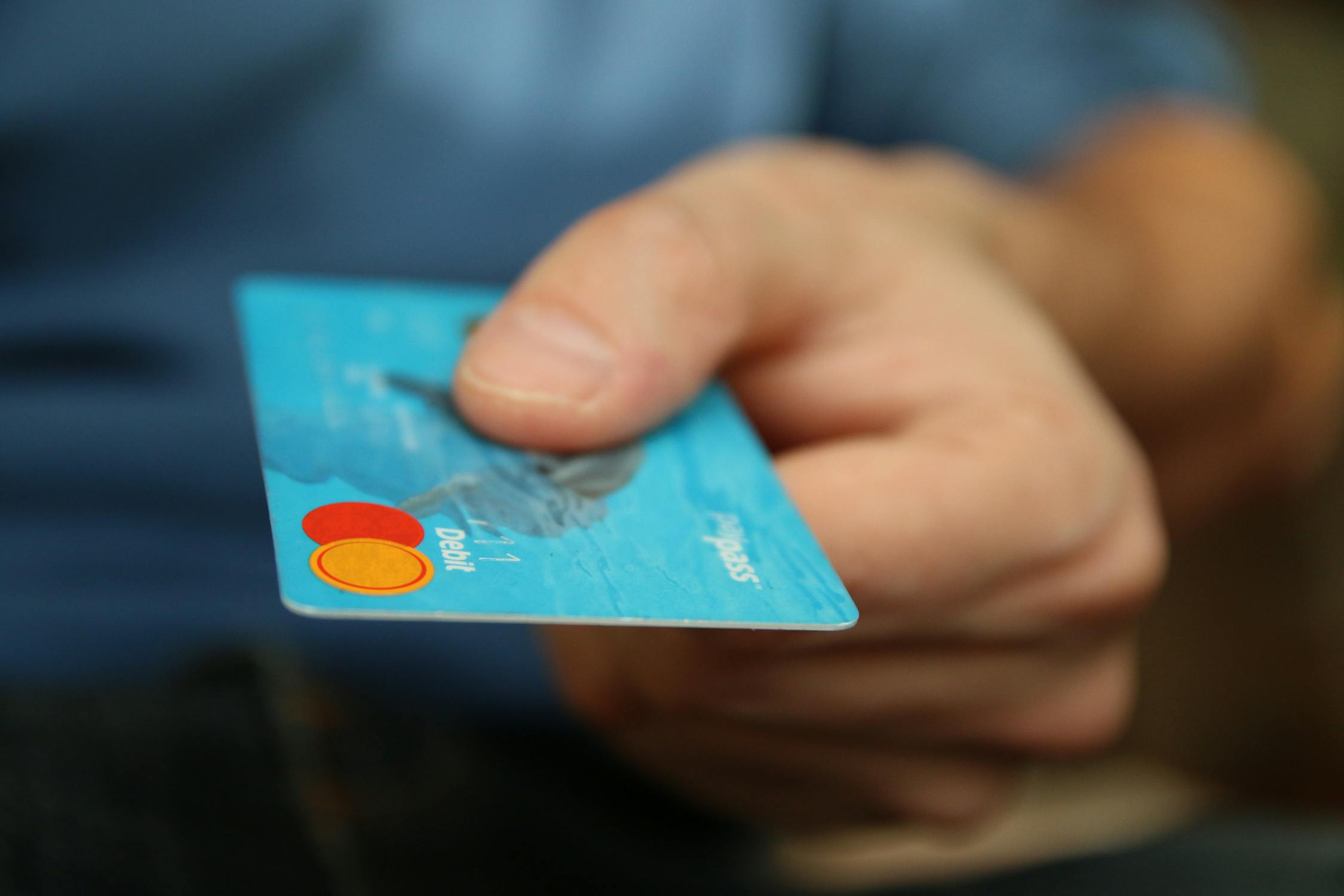
You find a store with incredible discounts. You pay, but the product never arrives or is a counterfeit. The site disappears within a few weeks.

A "guru" promises guaranteed profits on a platform. You invest, see fake earnings, but can never withdraw your money.

An SMS from a courier company asks you to pay a small customs fee. They use your card details to steal from you.

Job offers that request upfront payments or personal data for roles that do not exist.

Fraudulent crypto investment websites embed deepfake videos and AI-generated voice of Elon Musk, prompting users to send funds to a fake wallet.

Websites that appear when searching for tickets to artists like Rosalía, Taylor Swift, or Coldplay. They offer 'last tickets', VIP access, or meet & greet at tempting prices. You pay and the tickets never arrive.

Sites that mimic official government portals for passport, visa, or ID procedures. They charge illegitimate fees to citizens who mistake the site for the real official portal.

Malicious websites that hide invisible instructions in their HTML code to manipulate AI assistants browsing on your behalf. They use hidden text, invisible characters, or secret comments to trick tools like ChatGPT, Copilot, or Google Gemini into ignoring fraud signals.
This is how Desenmascara.me protects users, showing the truth behind each link with a clear and direct analysis.
Risk score: high probability of fraud
DangerousThis website appears to be fraudulent. Do not enter personal data or make purchases.
High-risk fraud patterns detected, including impersonation-style content, deceptive offer framing, and hostile risk context around the hosting environment.
Risk score: high probability of fraud
DangerousThis website appears to be fraudulent. Do not enter personal data or make purchases.
The site shows classic fake-store behavior with aggressive promotions and trust inconsistencies that align with fraudulent commerce patterns.
Risk score: high probability of fraud
DangerousThis website appears to be fraudulent. Do not enter personal data or make purchases.
Multiple indicators suggest fraudulent intent, including brand abuse patterns and abnormal commercial presentation for a supposedly premium site.
Risk score: no significant threats found
SafeThis website appears to be legitimate and safe.
The website structure, branding consistency, and expected operational signals align with a legitimate domain and low fraud probability.
Risk score: some warning signs detected
SuspiciousThis website shows suspicious signs. Proceed with caution.
The site has mixed trust signals with suspicious elements that require caution before interacting or providing personal or payment information.
Risk score: high probability of fraud
DangerousThis website appears to be fraudulent. Do not enter personal data or make purchases.
The domain presents strong phishing-style indicators and high-risk external signals consistent with fraudulent financial impersonation.
Risk score: high probability of fraud
DangerousThis website appears to be fraudulent. Do not enter personal data or make purchases.
The primary reason for classifying this site as fraudulent is an official regulatory warning: Financial Conduct Authority (United Kingdom) flags SpeedySure (alerted 2026-02-06). Other observed signals are consistent with unauthorised financial services.
Risk score: high probability of fraud
DangerousThis website appears to be fraudulent. Do not enter personal data or make purchases.
The website impersonates Raiffeisen, a well-known banking group, but is hosted on a domain unrelated to the official Raiffeisen domains and registered through a non-corporate registrar. The IP address hosting this site is associated with 93 other suspicious or fraudulent domains, strongly indicating a high-risk environment. The offer of a 'premium subscription' combining banking and entertainment services with suspicious pricing and no clear legal or contact information further supports the conclusion of deceptive marketing. This is a classic case of phishing or fake store fraud attempting to exploit the Raiffeisen brand. Fraud type: phishing. Impersonated brand: Raiffeisen.
Desenmascara.me analyzes websites, context, and patterns to detect complex digital fraud before it erodes trust, payments, or operations.
Useful for SOCs, trust and safety, marketplaces, payment platforms, and fraud teams that need earlier visibility into scams, deception, and suspicious websites.
Detections, screenshots, and signals update continuously as new domains are analyzed.
Each analysis is designed to make it easy to understand why a website appears legitimate, suspicious, or fraudulent.
Examples verified by Desenmascara.me across active digital fraud campaigns.
Our gallery captures screenshots of fraudulent websites the moment they are detected. Browse thousands of real scam pages — phishing kits, fake stores, impersonation portals — and see the patterns before they reach you.
We believe fraud stops in the moment before the click. That's why we built an instant verification layer that protects consumers, teams, and organizations alike. A few seconds, thousands of cross-referenced signals, one clear verdict. That simple, that powerful.
Try a Live AnalysisBecause they are reactive. They only block domains that have already been reported, while many campaigns spin up new sites every day and abandon them before they ever land on public lists.
We detect phishing, fake stores, brand impersonation, fake investments, fraudulent government portals, AI-agent traps, and other digital deception patterns aimed at stealing money, credentials, or trust.
No. It is a complementary layer. Antivirus, email security, and blocklists still matter, but desenmascara.me adds contextual analysis of the site, its infrastructure, and fraud signals before the user interacts with it.
No. It is also useful for trust and safety, support, fraud teams, marketplaces, payment platforms, SOCs, and anyone who needs to review suspicious domains or automate decisions with more explainable verdicts.